







We Can Have A Real Food Revolution—If We Support the Farmers Who Feed Us
By Kate Krauss, CEO, Fair Food Network
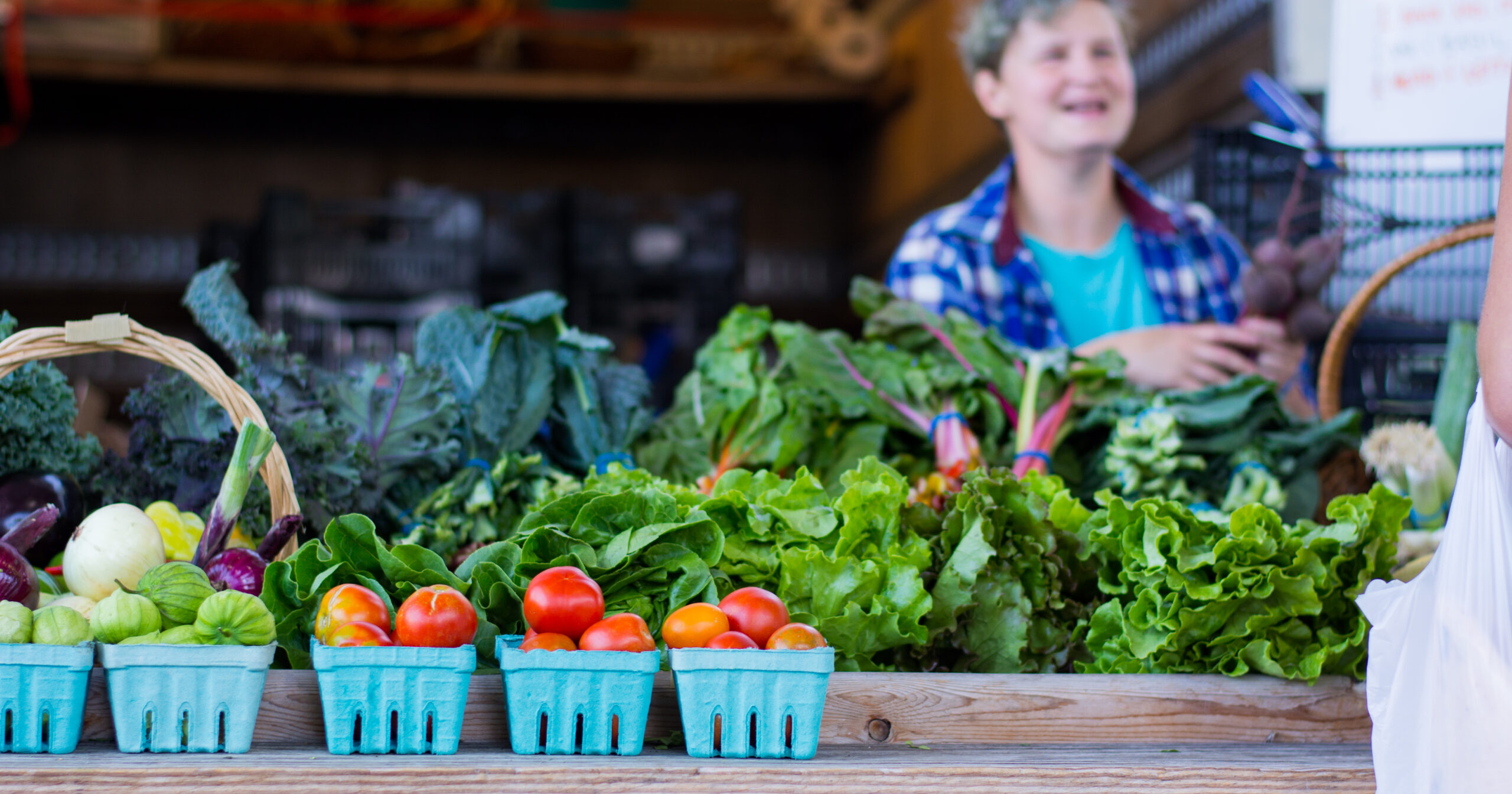
Over twenty years ago, a chance encounter with a peach and some homemade yogurt at my neighborhood farmers market changed the way I looked at my own diet. As I became captivated by tasty food bought directly from farmers, the books I’d been storing in the oven went onto a new bookcase, I learned how to cook, and I even started having people over to share my new creations. Not only did the food taste better, but since it was better for me, I lost weight and felt healthier.
It’s with this enthusiasm that I greet the new dietary guidelines recently released by the Trump administration. No, they aren’t perfect, and yes certain recommendations raise eyebrows and defy decades of established science. But Americans would be well served by a diet rooted in “real food” and five daily servings of fruits and vegetables.
But resonating and actually being possible are two different things. Over the years, food and farming policy has made fast and ultra-processed food cheap and easy. That means switching to a diet based on whole foods requires spending more money (not to mention time) on food, which for many people is somewhere between difficult and impossible.
I learned this myself as my love for farmers markets and locally-sourced food came into conflict with the demands of a growing household and increased professional responsibilities. It wasn’t so easy to fit my grocery shopping window to Saturday mornings or to justify the cost of those tasty summer peaches.
Revised guidelines don’t mean much if only those with plenty of time and disposable income can follow them. If we want Americans to follow the call to “eat real food,” we need policies that make it possible.
The path to achieving this starts with supporting the farmers and ranchers who grow the food we are told to eat more of. Today, most of the federal farm safety net is directed toward crops that are processed into fuel, food additives, or animal feed. Meanwhile, the small and mid-sized farms that grow food like apples, beans, and tomatoes are disappearing, and more of our “real food” is imported from outside our borders.
We need our food and farming policies to catch up with our dietary guidelines. This doesn’t mean pulling the rug out from under row crop farmers. Every American farmer deserves our government’s support to thrive. Rather, it means addressing the challenges that are unique to specialty crop farmers who grow the fruits, vegetables, beans, and nuts that go on our plates.
Most specialty crop farmers will tell you they don’t want or need exactly the same kind of subsidies that work for row crop farmers. Their specific needs coalesce around three things: access to markets, especially wholesale markets; access to low-cost capital; and effective risk mitigation.
While farmers’ markets provide excellent entrees to local food for consumers like me, chasing customers down one-by-one is awfully time-consuming for most farmers. They need access to reliable high-volume markets. The government can help small and mid-sized specialty crop farmers and ranchers by making it easier for places like schools, early childcare centers, and food banks to buy food from these producers. The newly introduced Local Farmers Feeding our Communities Act would help do just that.
On the production side, many small and mid-sized farms have a hard time finding affordable capital and crop insurance policies that protect their livelihoods. While access to a steady revenue stream from wholesale markets is part of the solution, we need to do more. Programs like the USDA’s pilot Resilient Food Systems Infrastructure Program, which works with state departments of agriculture to provide farmers with grants to purchase equipment and infrastructure, is a straightforward way to make specialty crop growers more economically competitive. Congress should make it permanent.
Finally, Congress, USDA, and the private sector should go back to the drawing board and create crop insurance policies that work for specialty crop growers. Whether it’s improving the USDA’s existing Whole Farm Revenue Protection program or beefing up crop-specific policy options, fruit and vegetable farmers need the same protections from drought, floods, fire, pests, and crop disease that are currently enjoyed by row crop farmers.
The new Dietary Guidelines for Americans are an important first step, and they represent an exciting evolution in the way our government talks about food. Now, let’s align our farm policies so that good food isn’t just recommended, it’s reliably within reach.
Want more fresh news?
Sign up for our updates to stay informed about the latest news, inspiring stories, and what’s possible when we start with food.