
News
Food stamp program needs reform not gutting, say mayors and reformer
Chicago Tribune

Some are upset the U.S. House of Representatives failed to pass a proposed Farm Bill Thursday that would have lopped off more than $20 billion in food stamp funding over the next 10 years.
But others see the legislative delay as an opportunity to, instead, improve the food stamp program (now called SNAP) with provisions to promote healthier eating.

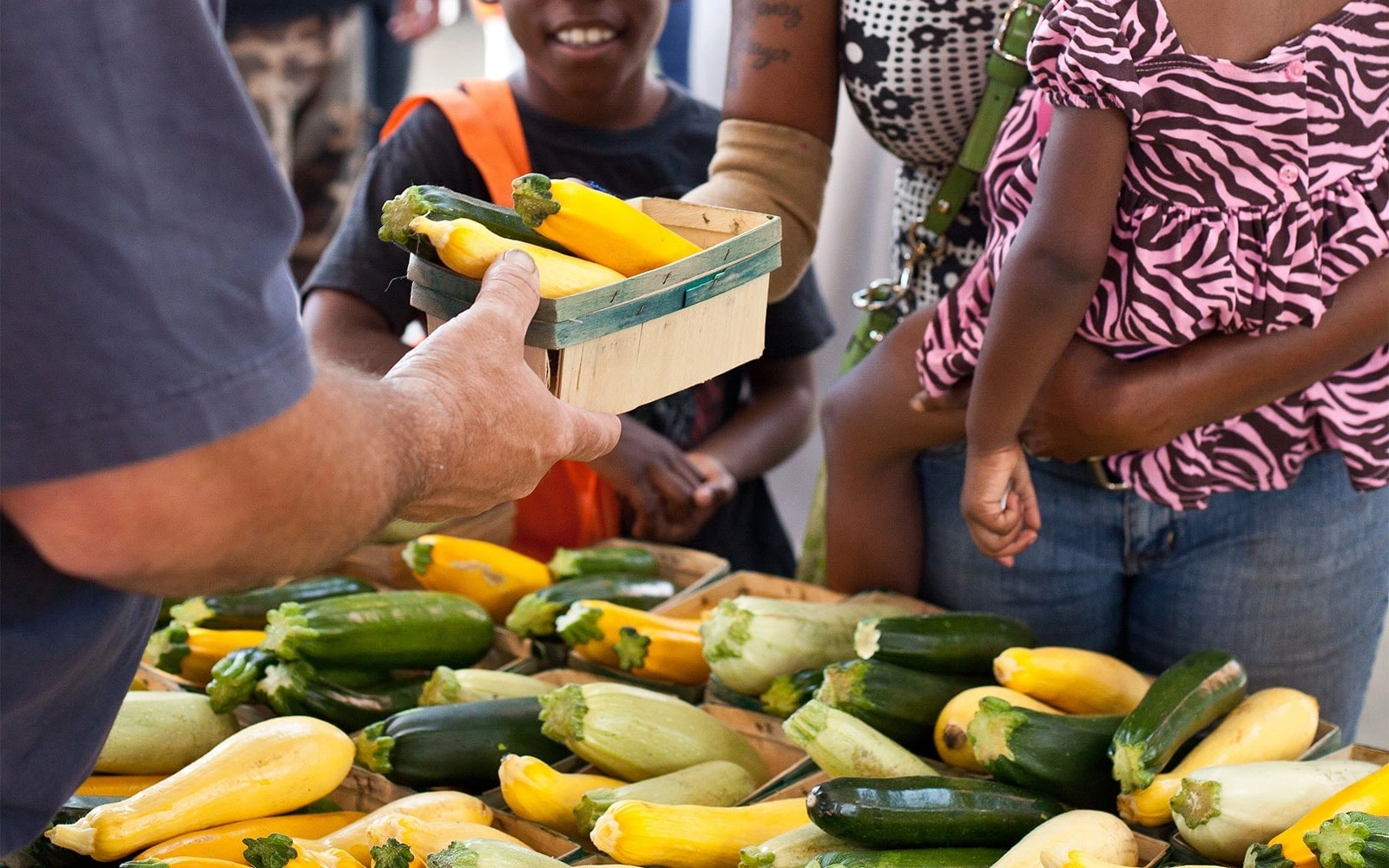
Fresh produce at a farmers market. (Chicago Tribune/Monica Eng / June 19, 2013)
Earlier this week, a group of 18 big city mayors, including New York's Michael Bloomberg and Chicago's Rahm Emanuel, sent a letter to Congressional leaders urging them not to gut SNAP funding (which now goes to 47 million Americans) but, instead, to improve the program with economic incentives for healthy food purchases, better anti-fraud enforcement and potential restrictions on soda purchases with SNAP dollars.
A Tribune story about the letter vis a vis Emanuel's acceptance of millions in soda industry money for city programs in the last year triggered a flood of reader comments.
Many argue that removing soda, candy or other junk food from the SNAP program limits recipients' freedom of choice. But Emanuel spokesman Tom Alexander told the Tribune, “We are not limiting options, but are incentivizing healthy choices.”
Some public health experts and Bloomberg have asked the federal government for permission to conduct pilot programs to see if, for instance, restricting soda purchases could improve health and lower public health care bills. The feds have refused to allow such a pilot.
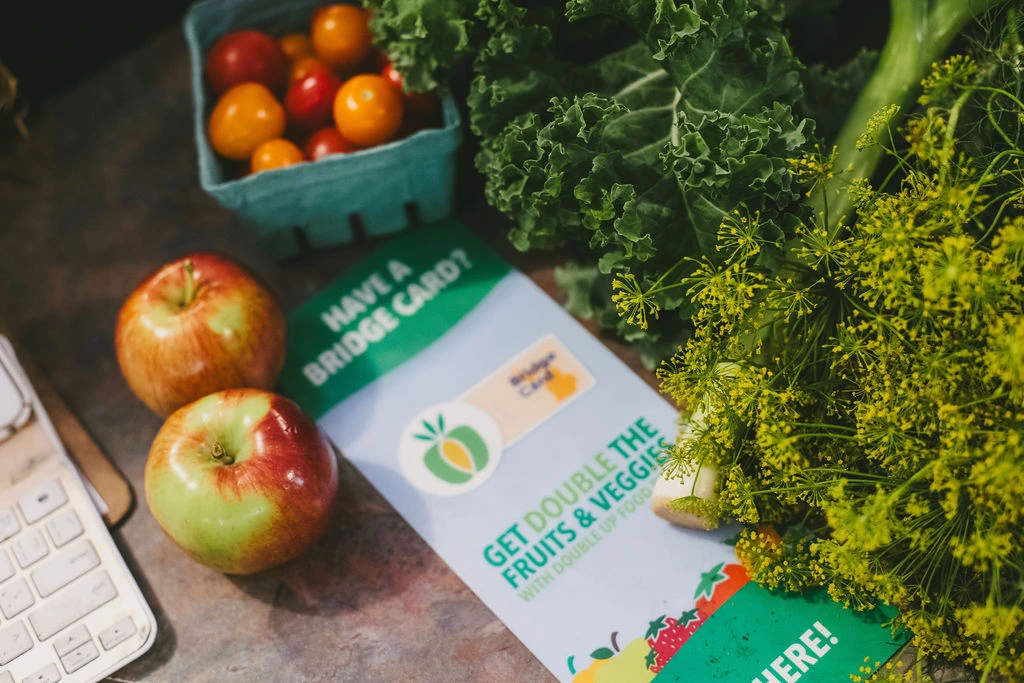
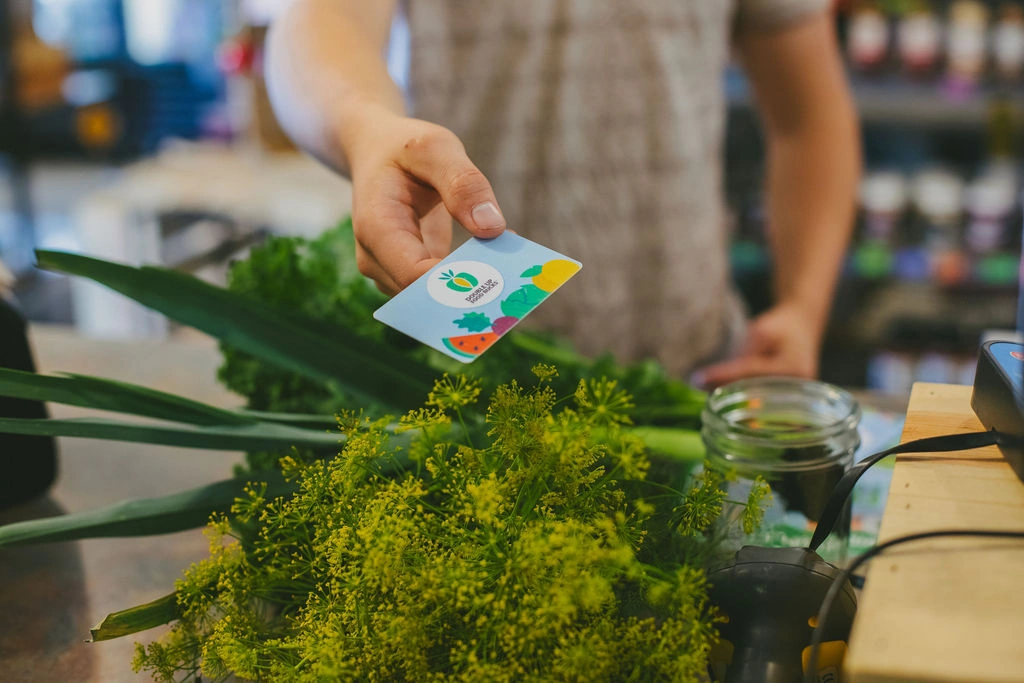
What federal officials are willing to try, however, are carrots instead of the proverbial sticks – pilots that offer economic incentives for buying fruits and vegetables. The Senate version of the farm bill proposes to kick millions into SNAP programs that make fresh produce more affordable for the needy. These programs were formerly exclusively privately funded.
And while most of those programs have been aimed only at farmers market produce (like Link Up Illinois), next month Michigan's Fair Food Network will launch a program that aims to bring the model to a few grocery stores in Detroit.
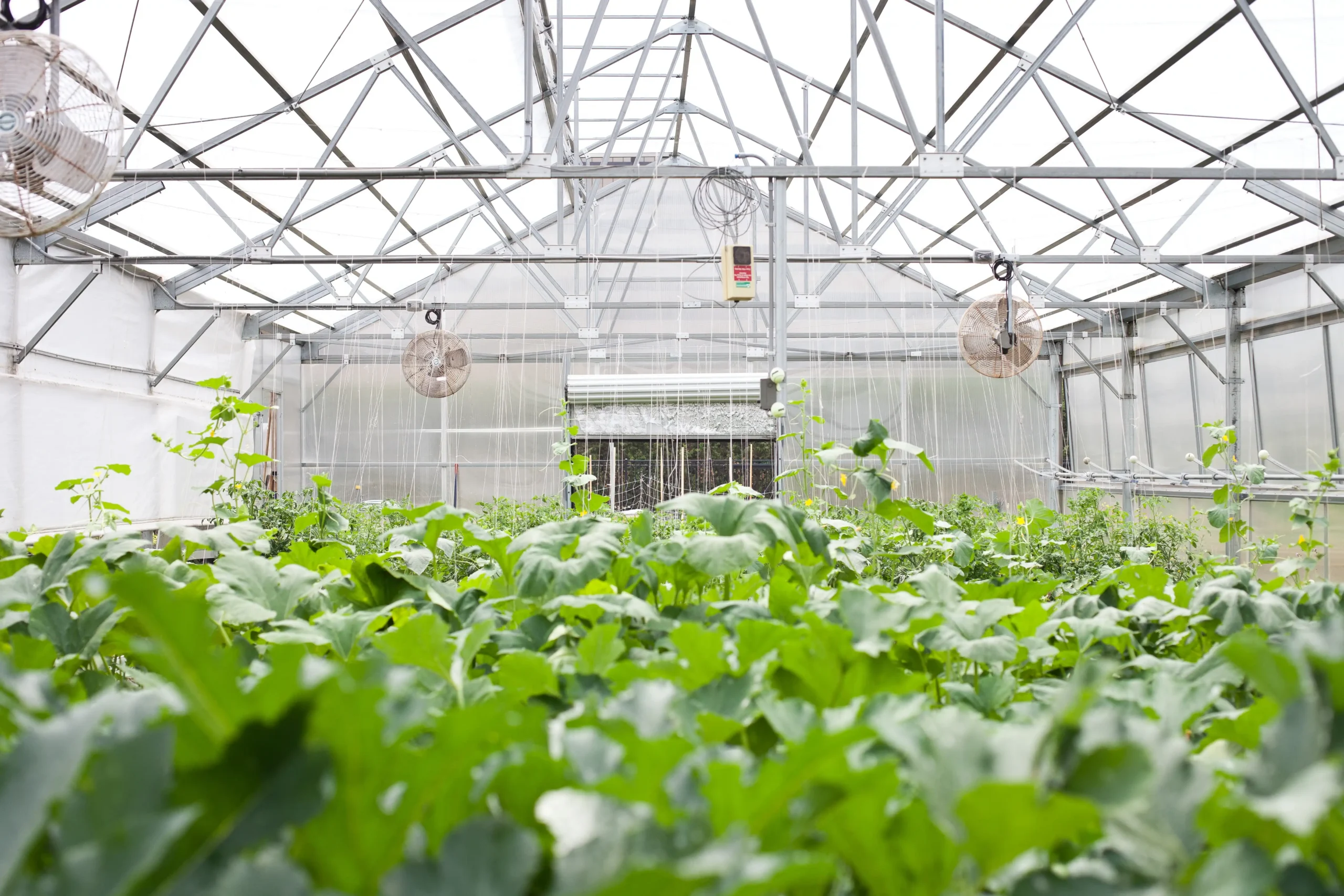
The pilot program will double the value of SNAP dollars for all Michigan-grown produce purchased in the store between July 1 and Oct. 1, says Network President Oran Hesterman. He hopes to have data on how the program has affected purchases as early as July 30.
This predicted timetable comes in stark contrast to a similar pilot conducted last year by the U.S. Department of Agriculture in which select Massachusetts SNAP users were given 30 percent credit rebates for every dollar they spent on fruits and vegetables. Although results were expected in January, the department has still not released data from the study.
Hesterman says he hopes the Detroit grocery pilot can become a model for the rest of the country, even though most states don't grow the kind diversified fruits and vegetables that Michigan does. He notes that other states could use a "local" (or food grown within 400 miles) model in order to keep the dollars and jobs in the community.
"The vast majority of Americans are not eating enough fruits and vegetables so there's lots of room to increase our consumption, whether it's from local or non-local sources," he says. "And now that the American Medical Association has decided that obesity is a disease, I think there is no better prescription for it than fresh fruits and vegetables."
First published at Chicago Tribune on June 21, 2013.


Stay Fresh
Sign up for our updates to stay informed about our latest programs, read inspiring stories of impact, and how you can become an important part of the movement. See what’s possible when we start with food.
By signing up you will receive occasional emails from Fair Food Network. We never share your information. You can unsubscribe anytime.