Growing Good Food Enterprises through Impact Investing – Part 2

Part 2: The Growing Demand for Local, Sustainable Food
The seeds of the sustainable food systems movement were planted decades ago by a variety of farmers, foundations, land grant universities, non-profits, and forward-thinking public officials. As the movement has grown, many more people have realized the social, environmental, and economic consequences of the current system and are demanding more good food.
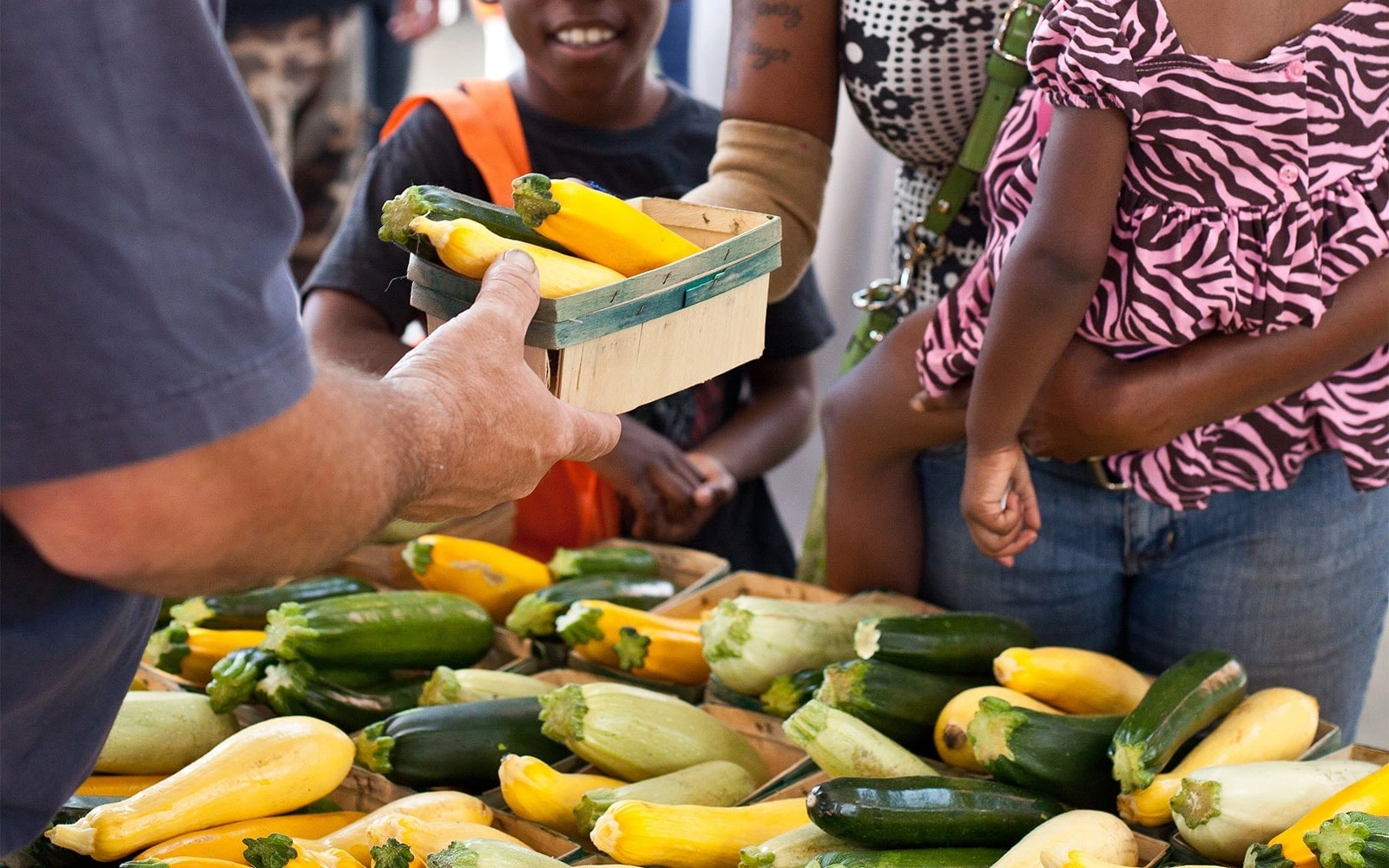
The number of farmers’ markets nationwide has more than quadrupled since 1994, currently numbering 7,100, and the number of CSAs has increased even more dramatically, from just a few hundred in the early 1990s to more than 12,500. Yet direct farm-to-consumer food sales account for less than 1% of total agricultural sales, meaning that farms sell the vast majority of their products to processors, distributors, retailers, restaurants, institutions, and other entities before those products find their way to consumers’ plates. For farmers who cannot take advantage of the direct sales approach, their only option for economic viability is to sell their products via wholesale channels.

Today, a variety of social enterprises are helping farmers bring more healthy, local, sustainable food to market through a variety of channels. However, every good food social enterprise needs capital to grow, and this reality presents an opportunity for impact investors to provide financing to food and agriculture enterprises. Impact investing comes in many forms, with the goal falling somewhere between conventional investing, which seeks to maximize financial returns, and philanthropy, which seeks to maximize public benefit.

While impact investing happens in many sectors, The Springcreek Foundation’s recent report, Promoting Sustainable Food Systems Through Impact Investing, found approximately 40 funds devoted to sustainable food systems investments. But even within the sustainable food systems field, these funds serve a variety of functions in a variety of geographical areas, from preserving farmland, to helping family farmers purchase farm equipment, to investing in the good food enterprises that connect these farmers with the growing demand for local, sustainably-grown food. The next blog in this series will discuss some of the key food and agriculture impact investors from around the country, with a focus on New England.


Stay Fresh
Sign up for our updates to stay informed about our latest programs, read inspiring stories of impact, and how you can become an important part of the movement. See what’s possible when we start with food.
By signing up you will receive occasional emails from Fair Food Network. We never share your information. You can unsubscribe anytime.