News
Healthy Incentives Pilot Shows Small Investment Leads to Big Impact
USDA Blog

Earlier today, Secretary Vilsack announced the results of the Healthy Incentives Pilot (HIP), a pilot project designed to test the impact of incentivizing fruit and vegetable purchases among SNAP recipients. The pilot showed that an ongoing investment of less than 15 cents per person per day may result in a 25 percent increase in fruit and vegetable consumption among adults. Adults receiving the HIP incentive consumed, on average, an ounce more fruits and vegetables per day than non-participants.
These are promising and exciting results. But we know that there is no silver bullet that can solve the problems of poor diet and obesity among American children and families. Despite increased public awareness of the vital role of nutritious food choices and proper physical activity on our health, the habits of most Americans—SNAP recipients and non-recipients alike—fall short of the recommendations of the Dietary Guidelines for Americans. And although research shows that healthy foods aren’t necessarily more expensive than less healthy options, many low income people face additional time and resource challenges when it comes to putting healthy food on the table that can make less healthy options seem more appealing.
Reversing these attitudes will require a cultural shift. While SNAP helps to alleviate some of the burden by providing additional resources to purchase and prepare healthy meals, we know that we need to do more to empower low-income families with the knowledge and skills they need to purchase and prepare healthy foods using SNAP benefits. We recently released an updated SNAP-Ed toolkit to better support States as they implement effective nutrition education and obesity prevention activities through SNAP-Ed, and have expanded efforts in schools, farmers markets, and communities across the country to promote healthy eating.

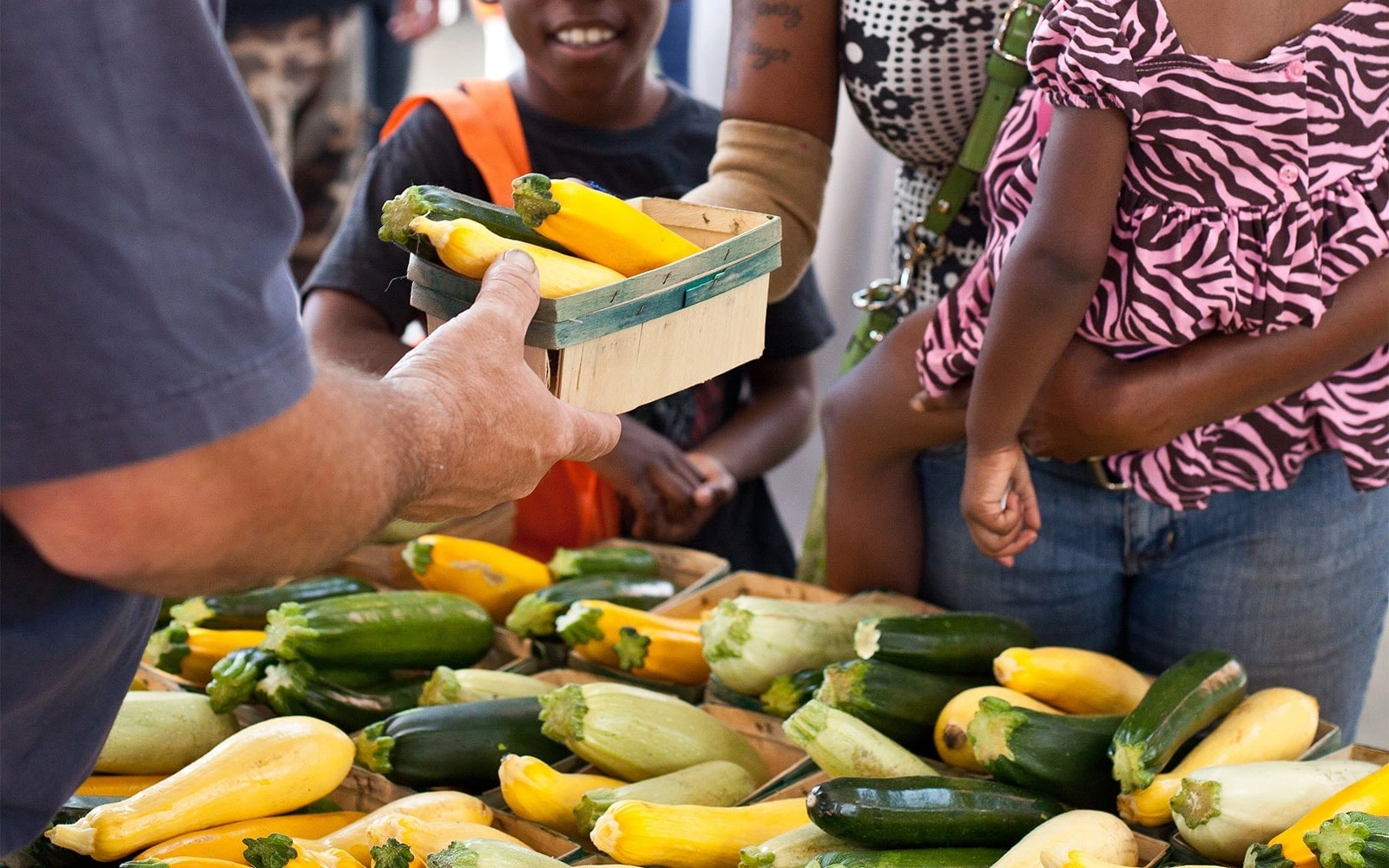
Customers at Baltimore’s Farmers Market and Bazaar Welcome Center look for vendors who display the sign on the left to know they accept the market’s own wooden tokens in Baltimore, MD on Sunday, July 8, 2012. Baltimore’s Farmers Market and Bazaar Welcome Center has a new wireless electronic card reader that accepts the U.S. Department of Agriculture’s (USDA) Food Nutrition Service’s (FNS) Supplemental Nutrition Assistance Program (SNAP) Electronic Benefits Transfer (EBT) cards, Baltimore Bucks, and debit cards. USDA Photo by Lance Cheung.
And that is why, as we present the results of one project, we’re also announcing two new pilots to support and incentivize healthy SNAP purchases:
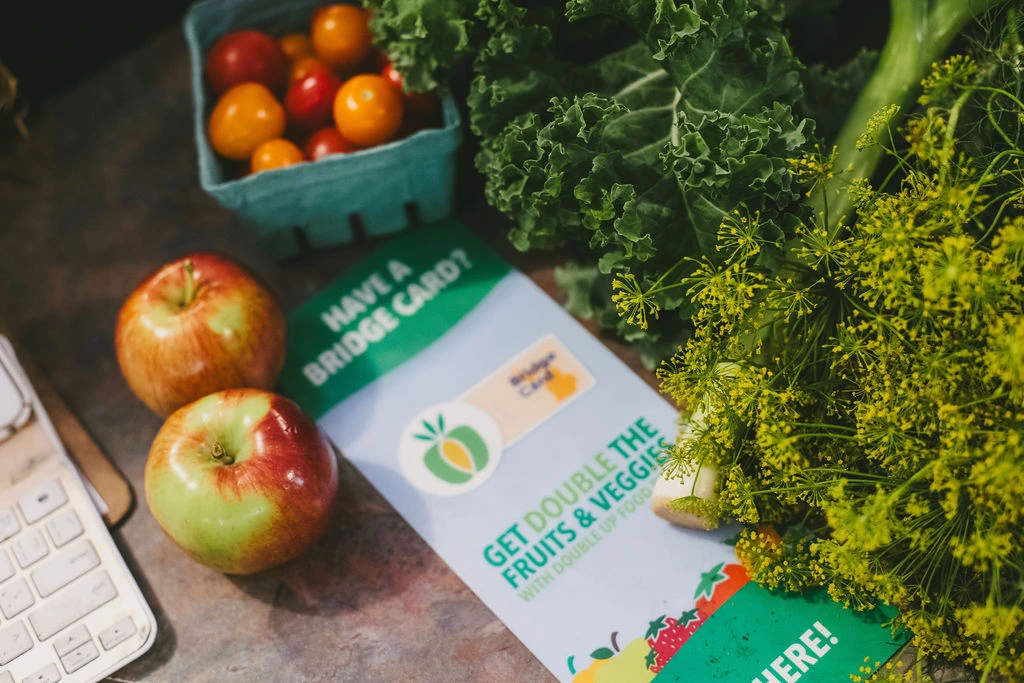
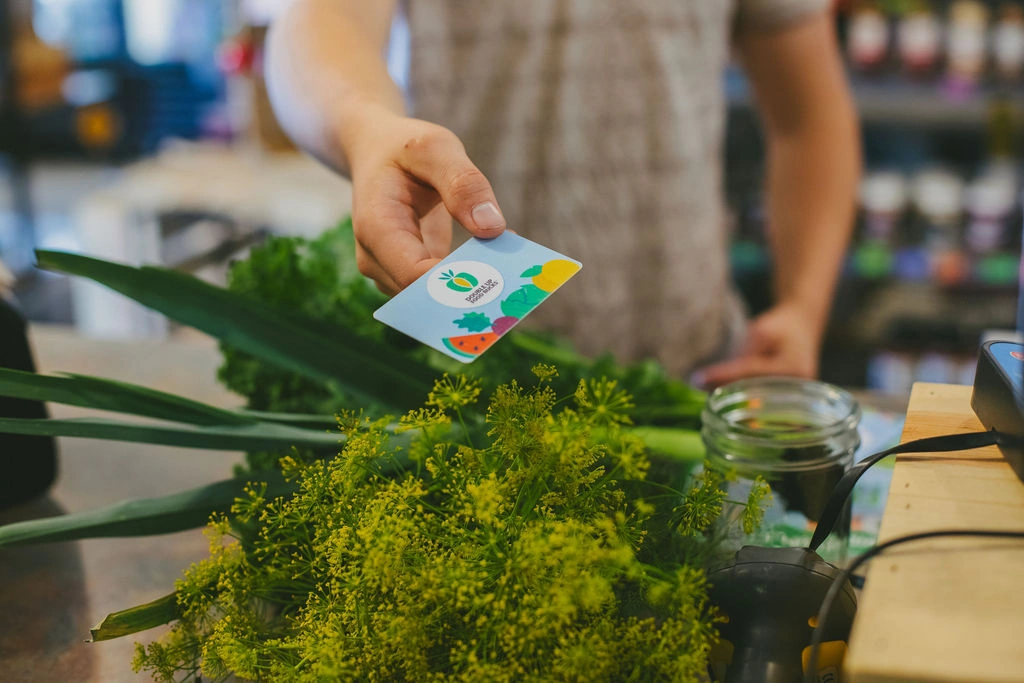
A pilot project with Fair Food Network’s Double Up Food Bucks program to issue up to $10 per week in coupons for locally-grown produce to SNAP recipients who purchase fresh fruits and vegetables at three independently owned retail food stores in Detroit, Michigan. This pilot has the potential to reach thousands of new customers and to draw more Michigan-sourced produce into large-scale grocery stores. You can read more about Fair Food Network’s pilot here.
Through its SNAP+ pilot project, the Minnesota Department of Human Services is issuing $5 coupons to SNAP households for the purchase of locally-grown fruits and vegetables at selected stores located in three geographical areas of Minnesota. Participating stores are located in both rural and metropolitan areas with high poverty rates, health disparities and demonstrated need for healthier eating.
While there is no single solution to improving the health and well being of America’s children and families, the results announced today reiterate the need for a broad spectrum of solutions that promote proper nutrition at all ages. We at USDA will continue to support strategies that encourage every American to make healthy choices every day at school, at home and in their communities.
First posted on the USDA Blog on July 24, 2013.


Stay Fresh
Sign up for our updates to stay informed about our latest programs, read inspiring stories of impact, and how you can become an important part of the movement. See what’s possible when we start with food.
By signing up you will receive occasional emails from Fair Food Network. We never share your information. You can unsubscribe anytime.